10 Quick Kitchen Cleaning Hacks with Baking Soda
Baking soda, or sodium bicarbonate, is a versatile and affordable ingredient that has been a staple in kitchens for generations. Its mild abrasive properties and alkaline nature make it effective for tackling a variety of cleaning tasks without the need for harsh chemicals. From removing stubborn stains to neutralising odours, baking soda offers a practical and environmentally friendly approach to maintaining a clean and fresh kitchen. This article explores ten quick and efficient ways to incorporate baking soda into your kitchen cleaning routine, focusing on methods that are both safe and effective.
Understanding how baking soda works can help you apply it more effectively. It reacts with acids and bases to break down grime and grease, while its fine crystalline structure provides gentle abrasion. When combined with water, it forms a paste that can be used to scrub surfaces without scratching. Additionally, baking soda absorbs and neutralises odours, making it ideal for deodorising refrigerators, bins, and cutting boards. By following the practical hacks outlined below, you can enhance your kitchen’s cleanliness with minimal effort and expense.
Understanding Baking Soda’s Cleaning Properties
Baking soda is a compound that acts as a mild alkali, which enables it to dissolve dirt and grease. Its pH level of around 8.1 allows it to neutralise acidic substances, making it effective against common kitchen residues like coffee stains and fruit acids. When mixed with water, it creates an alkaline solution that can break down protein-based grime, such as food splatters. The crystalline structure of baking soda provides a gentle abrasive action, which helps to lift particles from surfaces without causing damage.
The deodorising capability of baking soda stems from its ability to absorb and trap odour molecules. In contrast to air fresheners that mask smells, baking soda eliminates them by neutralising acids and bases that contribute to unpleasant scents. This property is particularly useful in areas like the fridge or bin, where lingering odours can be persistent. Moreover, baking soda is non-toxic and safe for use around food, making it an excellent choice for cleaning surfaces that come into contact with edibles. Its environmental profile is also favourable, as it is biodegradable and free from volatile organic compounds (VOCs).
When using baking soda, it is important to consider the surface you are cleaning. While it is generally safe on most materials, it may be too abrasive for delicate surfaces like polished marble or aluminium. Testing on an inconspicuous area is recommended before applying it broadly. Additionally, baking soda can be combined with other common household ingredients like vinegar or lemon juice to enhance its cleaning power, though these mixtures should be used with care to avoid excessive fizzing or residue. Understanding these properties allows you to tailor your cleaning approach to achieve the best results.
Essential Baking Soda Cleaning Techniques
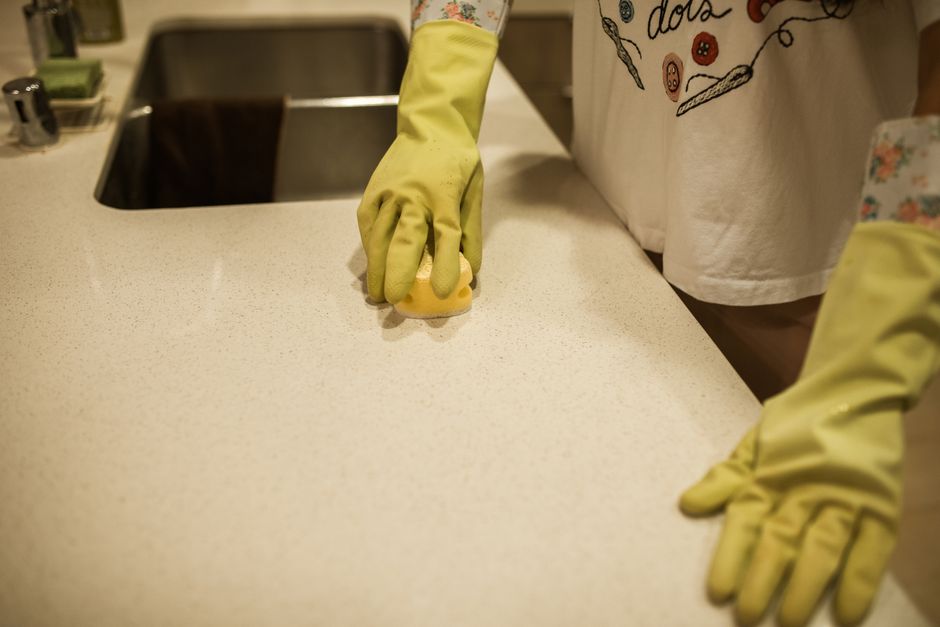
To make the most of baking soda, it helps to have a few basic techniques at hand. One common method is creating a simple paste by mixing three parts baking soda with one part water. This paste can be applied to surfaces and allowed to sit for a few minutes before scrubbing. For tougher stains, leaving the paste on longer can allow the baking soda to penetrate and lift the grime. Another approach is to sprinkle dry baking soda directly onto surfaces and then scrub with a damp sponge or cloth; this works well for gently scouring sinks or countertops.
Baking soda can also be used in solution form. Dissolving half a cup of baking soda in a bucket of warm water creates an all-purpose cleaner that can be used to wipe down surfaces, clean tile grout, or even wash floors. This diluted solution is effective for removing grease and grime without leaving streaks. For deodorising purposes, placing an open box of baking soda in the refrigerator or freezer helps absorb odours over time. Replacing the box every three months ensures continuous freshness. Additionally, sprinkling baking soda in the bottom of a rubbish bin before adding a new liner can help neutralise odours as waste accumulates.
For areas that require extra cleaning power, baking soda can be combined with other substances. Mixing equal parts baking soda and salt creates a more abrasive scrub that is useful for removing stubborn residue from baking dishes or oven racks. Alternatively, adding a few drops of essential oil to a baking soda paste can provide a pleasant scent while cleaning. However, it is important to avoid mixing baking soda with acidic ingredients like vinegar in a closed container, as the reaction can cause pressure to build up. Using these techniques in moderation ensures that your kitchen surfaces are cleaned effectively without the need for harsh chemicals.
Cleaning Kitchen Surfaces with Baking Soda
Kitchen countertops are one of the most heavily used surfaces, and they can quickly accumulate food particles and stains. Baking soda can be used to clean a variety of countertop materials, including laminate, stainless steel, and ceramic tile. For most surfaces, a paste made from baking soda and water can be rubbed in a circular motion to lift food and grime. After rinsing with water, the surface should be dried with a clean cloth to avoid water spots. For stubborn stains, such as berry or coffee spills, a mixture of baking soda and a small amount of hydrogen peroxide can be applied and left to sit for a few minutes before wiping away. Always test on an inconspicuous area first, as some materials may react differently.
Stainless steel sinks and fixtures can be polished using baking soda to bring back their shine. A soft cloth dipped in a baking soda paste can be used to rub the metal in the direction of the grain, which helps to remove water spots and fingerprints. After cleaning, rinsing thoroughly and drying with a separate cloth helps to prevent streaking. Baking soda can also be used to clean ceramic sinks without scratching their surface, making it a safe alternative to abrasive powders. For sinks that have a buildup of soap scum, a paste left on for five to ten minutes before scrubbing can effectively break down the residue.
Another often overlooked area is the kitchen backsplash, which can accumulate grease and food splatters. A baking soda solution can be sprayed onto the backsplash and wiped down with a sponge, paying attention to areas near the stove. For stubborn grease, a paste applied directly to the affected spots and left to sit for a few minutes will help to loosen the grime before wiping. Regular upkeep with baking soda can prevent difficult build-up, keeping your kitchen surfaces looking refreshed and clean.
Deodorising and Freshening Kitchen Areas
The kitchen is prone to odours from cooking, garbage, and food storage. Baking soda offers a natural way to neutralise these smells, creating a more pleasant environment. One of the simplest methods is to place an open container of baking soda in the refrigerator to absorb any lingering odours. To maintain effectiveness, the baking soda should be replaced every three months. For spills inside the fridge, a paste can be used to scrub the area and then rinsed, which not only cleans but also removes residual smells.
Rubbish bins are another common source of kitchen odours. Sprinkling a generous layer of baking soda at the bottom of the bin before inserting a new liner can help absorb moisture and neutralise smells as waste decomposes. When the bin is cleaned, a baking soda solution can be used to wipe down the interior, removing any lingering odours after washing. This approach reduces the need for artificial fresheners and keeps the bin fresher for longer.
Cutting boards, especially those made of wood, can retain odours from strong ingredients like garlic or fish. Sprinkling baking soda over the board and scrubbing with a damp brush helps to lift the odour-causing particles. For persistent smells, baking soda can be left on the surface for a few minutes before rinsing. Additionally, coffee makers and microwaves can be deodorised with baking soda. Running a solution of water and baking soda through a coffee maker can help remove mineral deposits and stale coffee oils. For microwaves, wiping the inside with a sponge dipped in a baking soda solution can help neutralise food smells, leaving the appliance fresh.
Removing Stains and Grime with Baking Soda
Baking soda can be remarkably effective at removing stubborn stains and grime from kitchen items. One common area is the stovetop, where burnt-on food and grease can accumulate. A thick paste made from baking soda and water can be applied to the affected areas and left to sit for several minutes. Then, using a scrubbing sponge or a nylon brush, the paste can be worked into the stains. Rinsing with water and wiping dry will reveal a cleaner surface. For gas stove grates, soaking them in a solution of warm water and baking soda for thirty minutes before scrubbing can help loosen baked-on residue.
Ovens and microwave interiors can also benefit from baking soda. For inside the oven, spreading a paste over the interior surfaces, avoiding the heating elements, and allowing it to sit overnight can help to break down baked-on grease without harsh chemicals. The next day, wiping the surfaces with a damp cloth can remove the loosened grime. For microwave ovens, heating a bowl of water with baking soda for a few minutes can help steam and soften food splatters, making them easier to wipe away. This method reduces the need for commercial oven cleaners that may contain strong fumes.
Baking soda is equally useful for cleaning pots and pans that have stubborn burnt bits. Creating a paste and scrubbing the affected area, or boiling a solution of water and baking soda in the pan, can help lift burnt residue without damaging the surface. Similarly, stained ceramic or glass dishes can be treated with baking soda to remove discoloration. For example, a paste applied to tea or coffee stained mugs and left to sit before scrubbing can restore them to their original appearance. These tactics not only simplify the cleaning process but also extend the life of your kitchen equipment.
Polishing and Restoring Shine with Baking Soda
Baking soda is not only a cleaner but also a polish for various kitchen surfaces. With its mild abrasive nature, it can help restore shine to metal fixtures, such as faucets and cabinet handles, without scratching. A paste made from two parts baking soda to one part water can be applied with a soft cloth, rubbing gently to remove tarnish and water spots. After rinsing and drying, the metal should appear brighter. For chrome or stainless steel, it is important to rub in the direction of the grain to avoid fine scratches.
Fireplace glass, if present in a kitchen, can also be cleaned with baking soda. The glass can become hazy from smoke and soot; a paste applied to the cool glass and buffed with a cloth can help remove the haze. For cupboard fronts, baking soda can be used to remove grease marks and restore their clean appearance. When using baking soda on painted or laminated surfaces, it is essential to use a soft cloth and a gentle touch to avoid dulling the finish. Testing on an inconspicuous area is always a good practice.
Using baking soda to polish can breathe new life into older kitchen items, making them look refreshed without the need to replace them. However, it is crucial to differentiate between polishing and deep cleaning; for heavily tarnished metal, a dedicated polish may be required. Baking soda offers a simple, cost-effective solution for routine maintenance, ensuring that your kitchen maintains its visual appeal. Regular polishing also helps protect surfaces by removing residues that can lead to corrosion, thereby contributing to their longevity.
Incorporating Baking Soda into Your Routine
Integrating baking soda into your regular kitchen cleaning routine is straightforward and can yield consistent results. One effective approach is to set aside a few minutes each week to apply the hacks mentioned above to the most frequently used areas, such as the sink, stovetop, and refrigerator. Creating a schedule can help maintain cleanliness without overwhelming effort. For instance, you might choose to deodorise the fridge every month, scrub the sink every week, and tackle the oven every few months. This systematic approach ensures that no area is neglected and that baking soda is used efficiently.
It is also beneficial to keep baking soda on hand in an easily accessible spot, such as under the sink or in a kitchen cabinet. Storing it in a airtight container will preserve its effectiveness and prevent it from absorbing moisture. By having it readily available, you are more likely to use it for everyday spills and stains. Additionally, you can prepare small containers of baking soda paste in advance, ready for quick touch-ups. This small step can streamline your cleaning process and encourage more frequent use.
While baking soda is a powerful ally in kitchen cleaning, it is important to remember that results can vary depending on the surface and the degree of buildup. For heavily soiled or delicate items, professional advice may be necessary. Nonetheless, for everyday maintenance, baking soda offers a safe, effective, and economical solution. By adopting these practices, you can keep your kitchen clean and fresh while minimising your environmental footprint.
Baking soda is a testament to simple ingredients that can deliver remarkable results when used with proper technique and understanding.