Decluttering Your Entryway: Smart Storage for Shoes and Coats
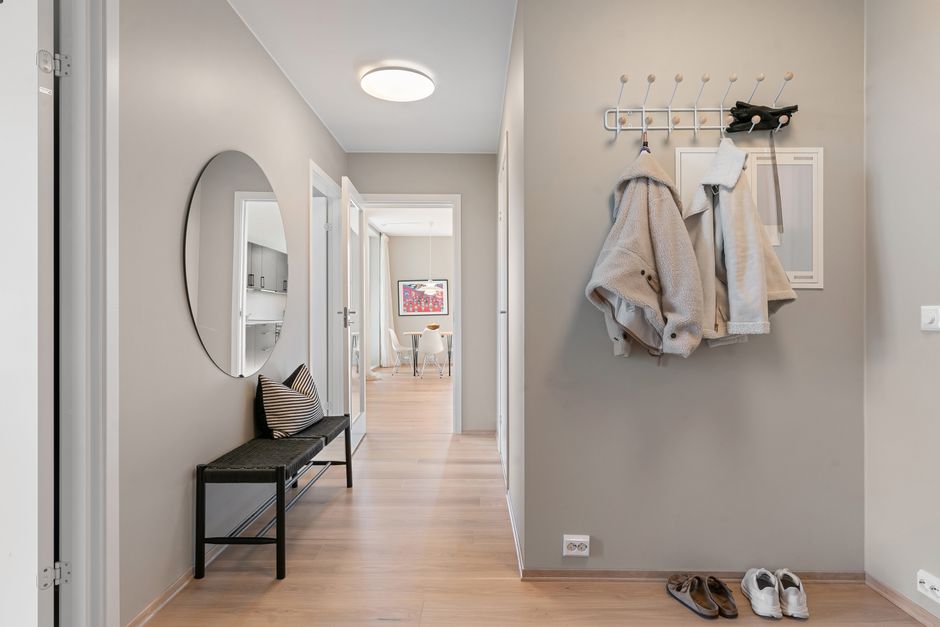
An entryway often serves as the first impression of a home and the last thing seen when leaving. In many households, this transitional space becomes a collection point for shoes, coats, bags, and other daily essentials. Over time, clutter can accumulate, making it harder to find what is needed and reducing the overall sense of calm in the home. For those living in compact apartments or houses with limited hallway space, the challenge of keeping this area organised can feel particularly daunting. However, with a systematic approach and a few thoughtful storage solutions, it is possible to transform an entryway into a functional and welcoming zone.
This article explores practical methods for managing shoes and coats in an entryway, focusing on simple, adjustable strategies that can be adapted to various spatial constraints. The aim is to provide a clear framework for assessing needs, selecting appropriate furniture, and maintaining order over time. By considering factors such as household size, daily routines, and available space, homeowners can create a storage system that not only reduces visual clutter but also streamlines morning and evening routines. The following sections outline step-by-step considerations, from evaluating the space to implementing long-term organisational habits.
Assessing Your Entryway Space and Storage Needs
Before introducing any new storage solutions, it is essential to conduct a thorough assessment of the entryway area. This involves taking precise measurements of the available floor space, wall dimensions, and any existing architectural features such as alcoves, radiators, or doors that might affect furniture placement. A clear understanding of the physical constraints helps in selecting pieces that fit proportionally, avoiding the common mistake of purchasing items that are too large or too small for the area. For instance, a narrow hallway might benefit from slim shoe cabinets or wall-mounted hooks, while a wider entrance could accommodate a bench with built-in storage.
Equally important is evaluating the specific needs of the household. Consider the number of people living in the home, their daily activities, and the types of shoes and coats typically used. A family with young children may require lower storage solutions that are accessible to little ones, while a household with frequent guests might need additional space for visitors’ belongings. Seasonal variations also play a role; winter months often bring bulky coats and boots, whereas summer may only require light jackets and sandals. By analysing these factors, it becomes possible to prioritise what storage features are essential, such as dedicated compartments for boots or hooks at multiple heights.
Another useful step is to observe how the entryway is currently used over the course of a week. Notice where shoes tend to pile up, which hooks are most frequently used, and what items are often left behind. This observational data can highlight patterns that might otherwise be overlooked, such as a tendency to drop keys near the door or a need for a place to sit while removing shoes. Keeping a simple log can help in identifying recurring issues, allowing for a more targeted approach to decluttering. By combining physical measurements with behavioural insights, homeowners can develop a tailored strategy that addresses both spatial and practical requirements.
Choosing Furniture and Fixtures for Efficient Storage
Once the assessment is complete, the next phase involves selecting appropriate furniture and fixtures that optimise the available space. One popular option for shoe storage is a bench with built-in shelves or a cabinet with a flip-down door. These pieces serve a dual purpose, providing a seating area while keeping footwear neatly tucked away. For those with limited floor space, a wall-mounted shoe rack or an over-the-door organizer can be practical alternatives, as they utilise vertical space without encroaching on the walkway. When choosing such items, it is advisable to consider the depth and height of the storage compartments to accommodate different shoe sizes and styles, including boots that may require more vertical space.
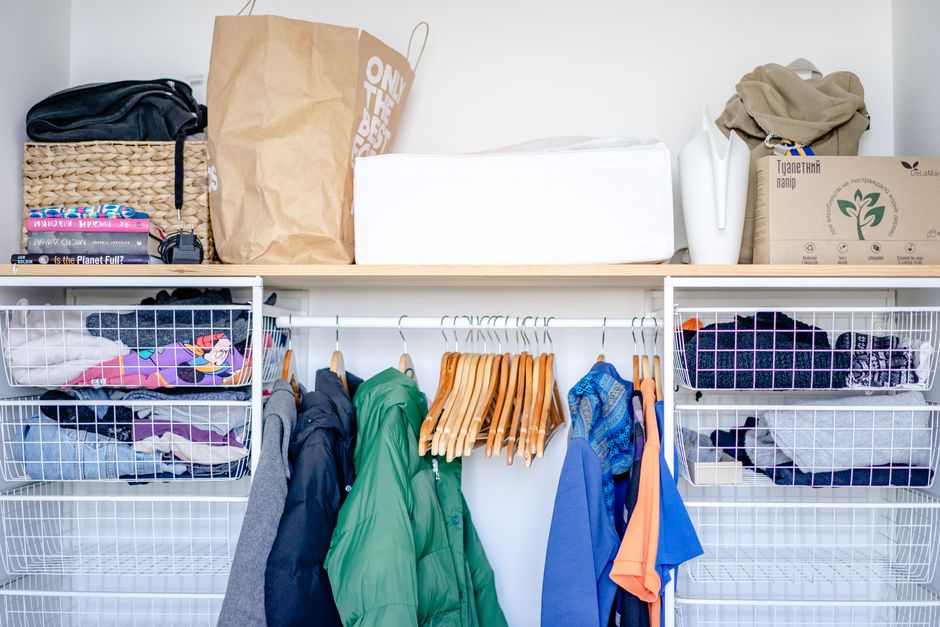
Coat storage often involves a combination of hooks, a coat rack, or a wardrobe, depending on the available room and the volume of garments. A traditional coat stand can hold several jackets and hats, while a wall-mounted rail with hooks offers flexibility and easy access. For a more concealed look, a slim wardrobe or cupboard with internal hanging rails can keep outerwear out of sight, contributing to a cleaner aesthetic. In households with multiple members, assigning individual hooks or sections can help prevent mix-ups and encourage responsibility for one’s own belongings. It is also worth considering additional elements such as a small shelf for everyday items like keys, mail, or sunglasses, which helps in maintaining a tidy surface.
When selecting materials and finishes, it is important to think about durability and ease of maintenance, especially in a high-traffic area. Entryway furniture is subjected to frequent use and exposure to outdoor elements such as rain, mud, or snow, so opting for water-resistant or wipe-clean surfaces can simplify upkeep. Natural woods may require periodic treatment, whereas laminates or metals offer a more effortless cleaning process. Additionally, the visual style of the storage pieces should complement the existing decor, helping the entryway feel coherent rather than cluttered. By balancing functionality with aesthetics, it is possible to create a storage system that is both practical and appealing.
Implementing Organisational Strategies and Routines
With the right furniture in place, the next step is to establish organisational strategies that make daily use straightforward. One effective technique is to categorise shoes and coats by frequency of use or season. Items that are used daily should be placed in the most accessible positions, while those used less often can be stored higher up or in less convenient spots. For example, everyday shoes might reside on an open shelf near the door, whereas seasonal boots could be kept in a cabinet or a higher closet. Similarly, coats worn frequently can hang on prominent hooks, while heavier or formal outerwear may be stored inside a wardrobe.
Another beneficial approach is to create a designated for each family member, providing a sense of ownership and reducing the likelihood of items being mixed up. This can be achieved by using labeled hooks or shelves, or by assigning specific compartments within a larger storage unit. In households with children, using colourful labels or pictures can help little ones remember where their belongings go, fostering independence from an early age. Additionally, incorporating a routine of returning items to their designated places before bed or upon arrival can turn clutter prevention into a habit. For instance, taking a few minutes in the evening to sort shoes and hang coats can keep the entryway presentable for the next day.
To further enhance organisation, consider implementing a system for items that tend to accumulate near the door, such as umbrellas, pet leads, or shopping bags. A small basket or tray can serve as a central repository for such miscellaneous essentials, preventing them from spreading across surfaces. It is also helpful to periodically review the contents of the entryway to remove anything that is no longer needed or out of season. This could involve donating unused shoes or coats, storing seasonal items elsewhere, and reassessing whether the current storage solutions still meet the household’s evolving needs. By adopting these strategies, maintaining an organised entryway becomes less reliant on constant effort and more integrated into everyday routines.
Maximising Small Spaces with Creative Solutions
For those dealing with very limited entryway space, creative solutions can make the difference between chaos and order. One approach is to utilise vertical space to its fullest potential by incorporating tall bookshelves or cabinets that reach the ceiling. These units offer ample storage without sacrificing floor area, and they can be customised with baskets or drawers to keep items hidden. Alternatively, installing a pegboard or a series of floating shelves on the wall provides flexible storage options that can be adjusted as needs change. A pegboard can hold hooks, small shelves, and even a mirror, creating a multifunctional station that serves multiple purposes.
Another clever idea is to make use of the back of the entryway door. An over-door shoe bag or a set of hooks can be mounted without any permanent alterations, making it an excellent option for renters or those who prefer not to drill holes. This often overlooked area can accommodate shoes, scarves, or hats, freeing up floor and wall space elsewhere. Similarly, the underside of a bench or a console table can be fitted with drawers or baskets, transforming dead space into valuable storage. For extremely narrow corridors, a slim console table with a waterfall edge or a drop-leaf table can provide a surface for keys and decor while allowing furniture to be folded away when not in use.
Lighting also plays a crucial role in making a small entryway feel more spacious and functional. Adding a wall sconce or a small lamp can brighten the area, reducing shadows and making it easier to locate items. Reflective surfaces, such as a mirror, can also create an illusion of depth, making the space appear larger than it is. By combining these creative storage solutions with thoughtful lighting and design, even the most compact entryways can be optimised to remain tidy and welcoming. The key is to think beyond conventional furniture and consider how each element can serve multiple purposes, ultimately reducing clutter and improving daily convenience.
Maintaining a Clutter-Free Entryway Long-Term
While the initial installation of storage solutions is a significant step, sustaining a clutter-free entryway requires ongoing maintenance and periodic reassessment. One of the most effective ways to maintain order is to establish daily habits that prevent accumulation. For example, designating a specific time each day—perhaps when arriving home or before leaving—can help in quickly putting away shoes and coats. Encouraging all household members to adopt these habits ensures that the system remains functional and fair. It may also be helpful to set a rule that any item left in the entryway for more than a day must be returned to its proper place, reinforcing accountability.
Regular decluttering sessions, perhaps once a month or seasonally, allow the storage space to be assessed and reorganised as needed. This is an opportunity to remove items that are no longer used, donate coats that are too small, or store summer shoes in a different location. It also provides a chance to clean the storage furniture and surrounding surfaces, removing dust and dirt that accumulate over time. By keeping the area clean, the entryway not only looks better but also feels more open and refreshed.
Additionally, it is wise to revisit the original assessment of needs as the household changes over time. A growing family, a new pet, or a change in work routines may require adjustments to the storage system. Being open to adding or removing storage components allows the entryway to remain functional and clutter-free in the long run. By viewing organisation as an ongoing process rather than a one-time project, homeowners can adapt to changing circumstances and maintain the benefits of a tidy, welcoming entryway. Through consistent effort and thoughtful evaluation, the entryway can retain its role as an organised transition space, regardless of how busy daily life becomes.