Speed Up Your Morning Routine with These Laundry Shortcuts
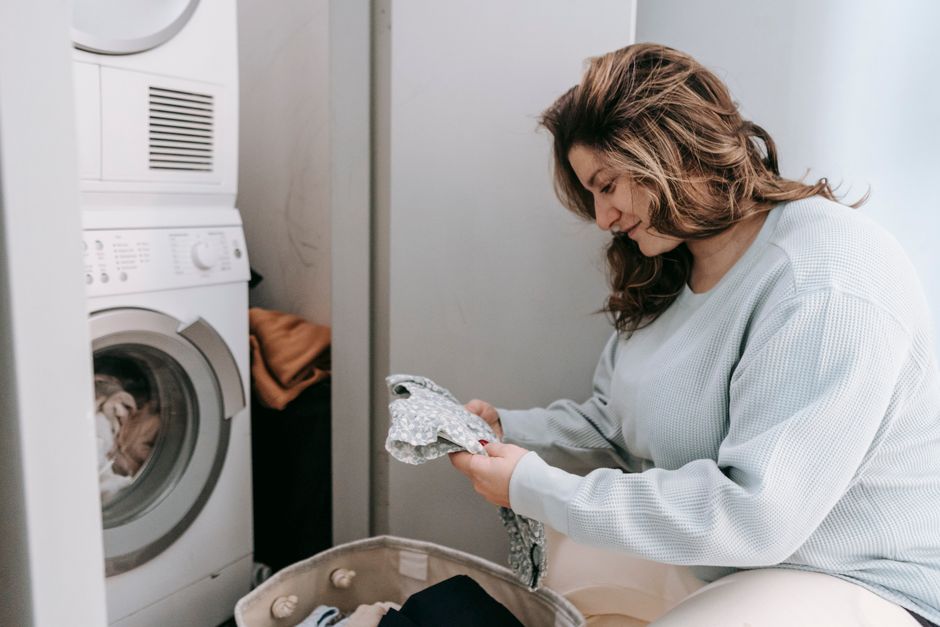
For many households, laundry is a recurring task that can consume a significant portion of the morning. The process of sorting, washing, drying, and folding often creates bottlenecks that delay other activities. However, by examining each stage and applying a few deliberate techniques, it is possible to streamline this chore and create a more relaxed start to the day. This article explores practical shortcuts that can be integrated into a daily routine, focusing on preparation, efficient machine use, and organisational strategies.
The approach is not about achieving perfection but about reducing the time and mental effort required. By establishing a systematic method, individuals can minimise interruptions and maintain a steady workflow. The following sections outline specific strategies for each phase of laundry, from the moment clothes are worn to their final placement in drawers or wardrobes. These techniques are designed to be adaptable to different living situations and available resources.
Adopting a more efficient laundry routine requires initial investment in habit formation, but the long-term benefits include reduced stress and additional time for other morning priorities. The shortcuts described here are based on common practices that many find useful. As with any routine, individual adjustments may be necessary to suit specific needs and circumstances.
Pre-Sorting and Preparation
One of the most effective ways to speed up laundry is to reduce the time spent sorting. Instead of tackling a large pile of mixed clothes on laundry day, a simple habit of sorting as you go can make a substantial difference. Placing separate hampers or bags for different categories, such as whites, colours, and delicates, eliminates the need for a dedicated sorting session. This practice not only saves time but also reduces the risk of colour transfer or damage.
Another useful technique is to pre-treat stains immediately after they occur. Waiting until wash day can allow stains to set, requiring more effort and potentially ruining the garment. Keeping a small stain remover in the laundry area or bathroom encourages prompt treatment. This preventive measure means that most items can go straight into the machine without additional attention.
Additionally, turning garments inside out before placing them in the hamper can protect their outer surface from friction and fading. For items with delicate embellishments or prints, this simple action helps maintain their appearance over time. By integrating these small habits into daily routine, the washing process itself becomes more straightforward and less time-consuming.
Efficient Washing Machine Practices
The way a washing machine is loaded and programmed can significantly affect both wash quality and cycle duration. A common mistake is overloading the machine, which can lead to longer cycles and less effective cleaning. Adhering to the manufacturer’s recommended load size ensures that clothes move freely and detergent distributes evenly. Contrary to what some might think, running smaller loads can actually save time in the long run because each cycle runs efficiently and avoids re-washes.
Selecting the appropriate wash cycle is another factor. Many modern machines offer quick wash settings that are suitable for lightly soiled loads. For everyday laundry, using a shorter cycle can reduce water and energy consumption while still providing adequate cleaning. On the other hand, heavily soiled items may require a more thorough programme. It is also beneficial to use the spin cycle with a higher speed to extract more water, which directly shortens drying time.
Detergent placement and dosage are often overlooked. Using the correct amount of detergent is important not only for cleanliness but also for machine maintenance. Excess detergent can create excessive suds, leading to longer rinses or residue on clothes. Checking the detergent instructions and adjusting for water hardness helps achieve optimal results. By mastering these machine settings, individuals can reduce the overall laundry time.
Speeding Up the Drying Process
Drying is frequently the most time-consuming stage, particularly for those using a tumble dryer or air-drying methods. One effective shortcut is to shake each item before placing it in the dryer. This action separates fibres and reduces wrinkles, allowing hot air to circulate more efficiently. Similarly, adding a clean, dry towel to the load can absorb moisture and accelerate drying.
For air-drying, the setup can also be optimised. Using a well-ventilated space rather than a cramped indoor area can speed up evaporation. Strategically hanging garments with enough space between them allows air to move freely, reducing drying time significantly. Additionally, hanging heavier items like jeans or towels in areas with higher air circulation, such as near a window or fan, can help.
Another consideration is the use of dryer balls, which are often used to fluff clothes and shorten drying time. These items work by creating space between garments and improving airflow. While not essential, they can be a useful addition. Monitoring the drying process and removing items as soon as they are dry prevents over-drying, which can lead to wrinkles and unnecessary wear. Learning to identify when a load is nearly dry can also cut down on electricity use.
Folding and Storing with Speed
Folding and putting away laundry is often seen as a chore that is easy to postpone. However, integrating folding into the daily routine can prevent a backlog. A simple way to speed up this process is to fold clothes immediately after they are dry, not leaving them to sit in a basket where they might wrinkle. Creating a designated folding area with a clean surface, such as a kitchen counter or a dedicated table, can make the task more efficient.
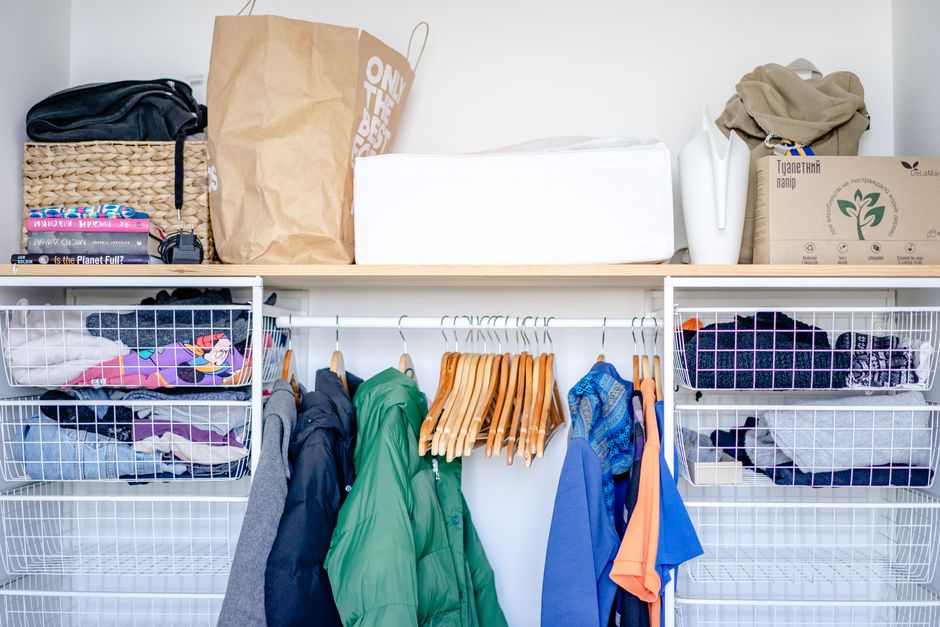
Using a standardised folding method for common items like t-shirts and jeans reduces the time spent on each piece. Additionally, storing items in a way that facilitates quick retrieval can minimise morning hassle. For example, folding clothes so that they can be seen at a glance helps in selecting outfits without needing to rummage through piles. Utilising drawer dividers or shelf organisers can also maintain order and speed up the process.
Another strategy is to involve all household members in the folding and storing process. Assigning each person a day to fold their own laundry promotes responsibility and reduces the workload for one individual. By making this a shared routine, the time spent on laundry is distributed and the morning rush is lessened.
Morning Routine Integration
To fully reap the benefits of these shortcuts, it is important to think about how laundry fits into the morning routine. One common approach is to start a load first thing in the morning, allowing it to wash while preparing breakfast or getting dressed. With the right settings, the cycle can be timed to finish just before leaving the house, enabling a quick transfer to the dryer.
Alternatively, setting the washing machine on a timer so that it finishes just as everyone wakes up can be advantageous. This way, the morning begins with a wash that is ready to be moved to the dryer, and the drying cycle can run during breakfast or while out. However, timers should be used with caution, especially for delicate items, and caregivers should ensure that children are not involved in unsupervised operation.
Ultimately, the goal is to free up time and reduce stress. By implementing these shortcuts, many find that they can reclaim several minutes each morning. It is important to adapt these suggestions to individual schedules and preferences. The key is to reduce the number of steps between laundry and daily activities. With consistent practice, a laundry routine becomes less of a burden and more of a simple, manageable part of the day.
“The ideal laundry routine is one that supports your day, not one that adds to it.”
In summary, efficient laundry management is possible with thoughtful preparation and smart habits. From pre-sorting and using appropriate machine cycles to optimising drying and folding practices, each step offers opportunities to save time. By integrating these shortcuts into a morning routine, individuals can start their day calmly and organised, free from the pressure of unfinished laundry.