Closet Makeover: Simple Steps to Maximize Vertical Space
In many UK homes, closet space is often limited, yet the need for storage continues to grow. Maximizing vertical space offers a practical solution that does not require structural changes or significant investment. By focusing on the installation of shelves and the use of hanging organizers, it is possible to increase the usable capacity of a closet substantially. This article outlines a systematic approach to reorganizing a closet, emphasizing methods that are accessible to most households and that respect the existing layout and architecture.
The process begins with a clear assessment of current storage habits and the specific dimensions of the closet. Understanding the available height, depth, and width helps in planning the most effective use of vertical areas. Many closets have unused space above eye level or below hanging garments, which can be transformed with simple additions. The following sections provide step-by-step guidance on selecting, installing, and utilizing these elements to create a more efficient storage environment.
Assessing Your Closet’s Potential
Before making any changes, it is essential to evaluate how the closet is currently used and to identify the types of items that need to be stored. Begin by emptying the closet completely, which allows for a thorough inspection of the internal structure, including the rod’s height and the presence of any existing shelving. Measure the interior width, depth, and height, noting any obstacles such as pipes, vents, or irregular walls.
Consider the categories of items that will be stored—such as clothing, shoes, accessories, and linens—and how often they are accessed. This analysis informs the design of the vertical configuration. For instance, items used infrequently, like seasonal clothing, can be placed in higher zones, while everyday items should be within easy reach. Additionally, think about the weight of items, as heavier objects may require sturdier shelving or reinforced mounting points.
It is also helpful to review the closet’s current organization patterns. Many individuals tend to stack items horizontally, which wastes vertical space. By shifting to vertical storage methods, such as stacking bins or using shelf dividers, it is possible to multiply the available storage capacity. The goal is to create a system that is both accessible and adaptable to future needs.
Choosing the Right Shelving Solutions
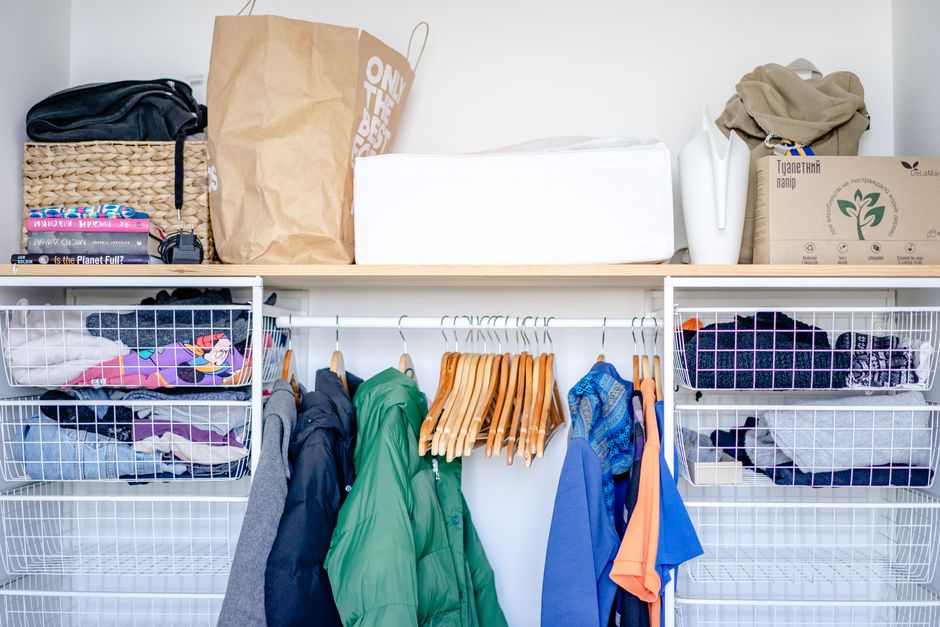
Shelving is the cornerstone of vertical storage. The type of shelving selected should depend on the closet’s structure and the nature of the items to be stored. For most closets, adjustable shelves offer flexibility, allowing the height between shelves to be modified as needs change. Metal or wire shelves are common and relatively easy to install, while wooden shelves provide a more solid and finished appearance.
When installing shelves, it is important to consider weight-bearing capacity. Heavy items, such as stacks of jeans or boxes, may require supports anchored into wall studs, whereas lighter accessories may be placed on shelves supported by brackets or tracks. For renters or those who prefer not to drill into walls, freestanding shelving units can be placed inside the closet, although they may reduce floor space. Another option is to install a second rod below the existing one, effectively doubling the hanging space for shorter garments like shirts and skirts.
The design should also include the use of shelf dividers or bins to keep items organized and prevent them from toppling. Clear containers or labelled boxes aid in visibility and retrieval. The key is to plan the shelving layout before installation, ensuring that each shelf serves a specific purpose and that the overall arrangement maximizes the vertical dimension.
Utilizing Hanging Organizers Effectively
Hanging organizers provide additional storage without consuming floor space. These can be attached to the existing closet rod, making them easy to add or remove as needed. One popular type is the hanging fabric shelf, which offers multiple pockets or compartments for shoes, sweaters, or accessories. Another is the hanging organizer with clear bins, ideal for small items like scarves or belts.
When selecting hanging organizers, it is crucial to consider the available rod height. If the organizer is too long, it may interfere with garments hanging below. To avoid this, measure the distance between the rod and the closet floor, and choose organizers that fit within that space while leaving enough room for hanging clothes. Additionally, consider the weight that the rod can support when filled with organizer contents; overloading can lead to sagging or even damage.
Another effective use of hanging space is the addition of an adjustable hanging rod, which can be placed at a height that suits shorter items. This creates a second level of hanging space for shirts, trousers, or children’s clothing. For items that are not typically hung, such as handbags or hats, hanging hooks or over-the-door organizers can be used, although they are not the primary focus of this approach.
The process of installing hanging organizers is straightforward and does not require tools beyond a screwdriver for some types. However, it is essential to follow the manufacturer’s instructions to ensure safety and durability. Regular inspection of the organizers for wear and tear is also recommended to maintain their effectiveness.
Step-by-Step Installation Process
To begin the transformation, gather the necessary tools: a measuring tape, level, pencil, drill with appropriate bits, screws and wall anchors, a stud finder, and a screwdriver. If shelves are being added, ensure they are cut to the correct width. Start by marking the desired shelf positions on the wall, using a level to keep them straight. If shelves are to be adjustable, install a track system according to the maker’s guidelines.
When fixing shelves, always use wall anchors if the supports are not aligned with studs. For drywall, anchors spread the load and prevent pullout. For heavier loads, aim to screw into studs for maximum security. After installing the shelving, each shelf should be checked for stability before loading it with items.
Next, install any additional hanging rods. Tension rods are an easy option because they require no drilling and can be adjusted in seconds, but they are only suitable for light loads. For permanent solutions, flange-mounted rods are attached to the closet walls or ceiling. When adding a second rod, position it so that it does not conflict with the upper rod or shelving.
Once the structural elements are in place, place the hanging organizers onto the rods. Distribute weight evenly across the rod, and consider using lightweight containers for the organizer pockets to avoid strain. Finally, organize the closet by category, placing each item in its designated zone. For example, store rarely used items on the top shelves, everyday clothing within arm’s reach, and seasonal footwear in hanging pockets.
Maintaining an Organized Closet
Maximized vertical space is only sustainable with ongoing maintenance. Establish a routine of reviewing the closet seasonally, removing items that are no longer worn or used. This prevents clutter from accumulating and ensures that the optimized storage remains functional. When new items are added, take a moment to reposition them in a way that respects the vertical layout.
Consider labelling shelves or bins to simplify retrieval and encourage consistent organization. This is particularly useful for shared closets, where clear designations help all users maintain the system. Periodically check that shelves and organizers remain secure, tightening any loose brackets or screws as needed.
For those who find that their needs change over time, the modular nature of shelving and hanging organizers allows for easy adjustments. Adjustable shelves and movable hooks mean that the closet can evolve alongside its contents. This flexibility makes vertical storage a pragmatic solution for any household.
Remember, the effectiveness of any storage system depends on how well it matches the user’s habits and the available space. There is no one-size-fits-all approach; the best configuration is one that is tailored to individual requirements.
By following these steps, homeowners can make significant improvements to their closet’s capacity without undertaking a full renovation. The process emphasizes careful planning, appropriate selections, and regular upkeep. In this way, even a modest closet in a UK home can be transformed into a highly efficient space that meets daily storage needs.
In summary, the dual approach of installing shelves and using hanging organizers addresses the common challenge of limited storage. By thinking vertically, one can unlock unused potential and create a system that is both practical and accessible. The methods described are straightforward and can be completed in a relatively short time, making them suitable for a weekend project.
As with any home improvement, it is advisable to consider the specific characteristics of one’s own closet and to seek professional advice if there is any doubt about structural issues. However, for most standard closets, the techniques provided here offer a reliable framework for maximizing space. Ultimately, the goal is to create a organized environment that simplifies daily routines and reduces stress associated with clutter.